MavaziWhat to wear, month by month
What to wear on safari in Kenya: the 15 kg bag by month
What to wear on safari in Kenya comes down to a cool dawn and a warm noon: in Masai Mara, Kenya, you need both in every month, packed into one soft bag. Safarilink and AirKenya both allow 15 kg (33 lb) per person on safari routes, hand luggage included. At Keekorok the mean daily low is 13 to 16 °C (55 to 61 °F) all year and the high 25 to 30 °C (77 to 86 °F). What changes by month is rain: April is the wettest month there, July the driest.
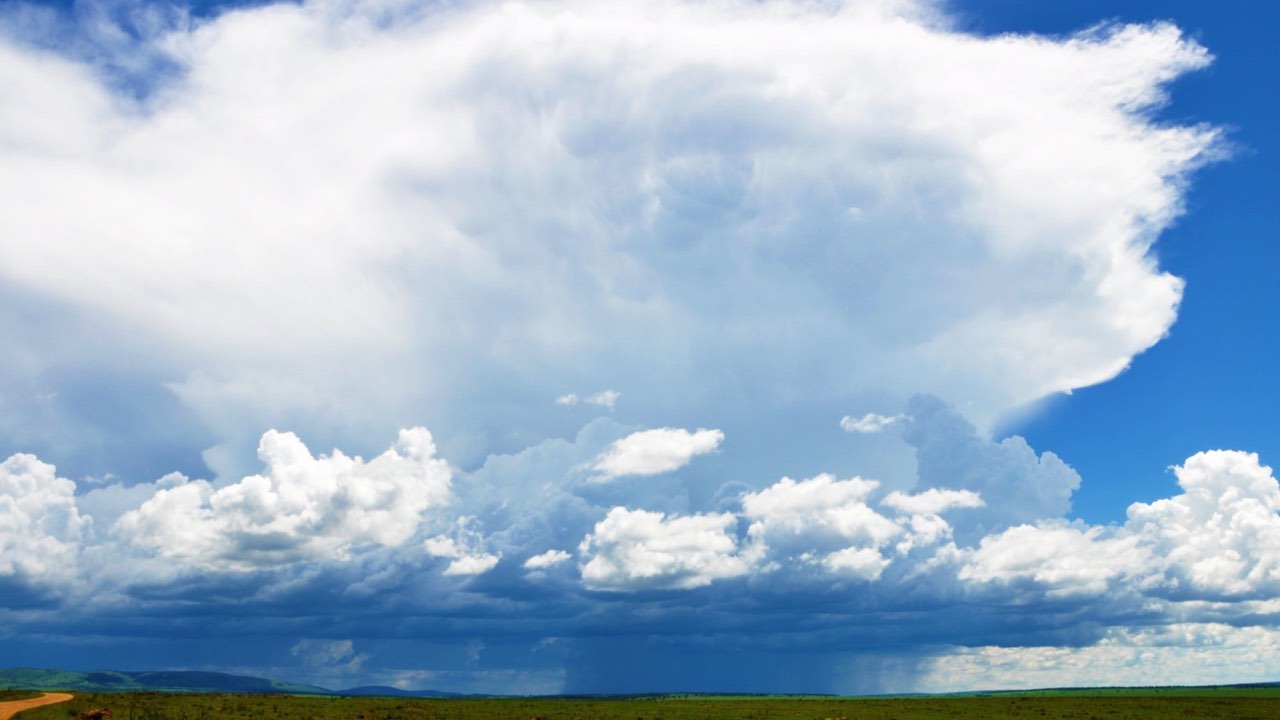
Photo: Wajahat Mahmood / Wikimedia Commons, CC BY-SA 2.0

Some links on this page are affiliate links: the guide earns a commission when you book through them. The partner sets the price; the guide adds no fee.
Pick your month below. The bag fills with what that month calls for, and you can tick things off. Every figure for the month is in Masai Mara weather, and the airlines' fares and airstrips in the Mara flights guide.
On a group camping trip, such as this four-day Kenya camping safari to the Masai Mara, ask the operator what it supplies for sleeping and what you bring.
MweziYour month, your bag
Pack the bag for your month
Choose the month you travel, and add a night in Nairobi or a stop at Lake Nakuru if your trip has one: their nights are colder. The figures are Keekorok's, inside the reserve.
November at Keekorok, 1991 to 2020
- Mean daily low
- 15 °C (59 °F)
- Mean daily high
- 28 °C (82 °F)
- Mean rain
- 95 mm
- In 8 of 10 years
- 55 to 140 mm
- Days with 1 mm or more
- 8 days
- Low at Wilson Airport, Nairobi
- 15 °C (59 °F)
- Low at Lake Nakuru
- 11 °C (52 °F)
15 kg (33 lb) per person, hand luggage included, in a soft bag (Safarilink and AirKenya)
All twelve months at Keekorok
| Month | Low | High | Rain | 8 of 10 years | Rain days |
|---|---|---|---|---|---|
| January | 15 °C | 28 °C | 75 mm | 25 to 120 mm | 7 days |
| February | 15 °C | 30 °C | 70 mm | 40 to 115 mm | 7 days |
| March | 16 °C | 29 °C | 125 mm | 70 to 180 mm | 10 days |
| April | 15 °C | 27 °C | 160 mm | 85 to 290 mm | 10 days |
| May | 15 °C | 25 °C | 80 mm | 45 to 120 mm | 6 days |
| June | 14 °C | 26 °C | 65 mm | 35 to 105 mm | 5 days |
| July | 13 °C | 27 °C | 35 mm | 20 to 55 mm | 3 days |
| August | 14 °C | 28 °C | 60 mm | 35 to 95 mm | 4 days |
| September | 14 °C | 29 °C | 45 mm | 20 to 70 mm | 4 days |
| October | 15 °C | 30 °C | 45 mm | 20 to 70 mm | 6 days |
| November | 15 °C | 28 °C | 95 mm | 55 to 140 mm | 8 days |
| December | 15 °C | 28 °C | 105 mm | 45 to 210 mm | 7 days |
NdegeLight aircraft to the Mara
The 15 kg rule, airline by airline
Small planes have small holds. Safarilink asks for soft bags because most of its aircraft have small, irregular luggage compartments, and says a rigid suitcase might in an extreme case travel on the next flight.
-
Safarilink
Strictly 15 kg (33 lb) per person on safari routes, hand baggage included, in soft bags; one piece at most 60 x 45 x 30 cm (24 x 18 x 12 in) (baggage page, 2026 timetable).
-
AirKenya
15 kg per passenger in soft-sided bags, carry-on up to 5 kg (11 lb) included; checked bag about 60 x 45 x 33 cm (24 x 18 x 13 in) (baggage policy).
-
Mombasa Air Safari
15 kg in total, hand baggage and cameras included; soft duffels or rucksacks are mandatory on its light aircraft.
-
Governors' Aviation
15 kg in total, carry-on included; soft bags up to 35 x 35 x 67 cm (14 x 14 x 26 in).
If you are over
Excess flies only if there is room. AirKenya charges USD 5 per kg at check-in, subject to space, or USD 30 for up to 5 kg and USD 50 for up to 10 kg bought at least 48 hours ahead. Safarilink carries excess only at the captain's discretion, at KES 400 (about USD 3.00) per kg including VAT, and says check-in staff normally allow up to 2 kg (4 lb) of leeway (Safarilink FAQ). Governors' Aviation charges USD 3 per kg for each destination, at the pilot's discretion.
Leave the rest in Nairobi
Safarilink keeps excess bags in a free, secure store at its Wilson Airport office. AirKenya stores luggage free at its Wilson terminal for passengers on return flights and sells a soft bag at check-in for USD 20. Governors' Aviation stores excess at its Wilson office for its own passengers. A night in town before or after is on Nairobi.


Hali ya hewaDawn and noon, every month
Layers for an open vehicle at dawn
A morning game drive starts in the coolest hours of the day, often in a vehicle open to the air, and the day is warm by noon.
At Keekorok the coolest nights come in July, at a mean low of about 13 °C (55 °F); the warmest afternoons in February and October, at about 30 °C (86 °F). The gap between dawn and noon is larger than the gap between months, so the same layers work all year: a warm top over a light long-sleeved shirt, and long trousers.
Nairobi is close in temperature: at Wilson Airport the mean low falls to about 12 °C (54 °F) in July. Lake Nakuru is colder at night, about 9 °C (48 °F) in July, so a second warm layer earns its place there. Lake Nakuru National Park has the rest.
Bars: mean monthly rain at Keekorok. Under them: the mean daily low. CHIRPS rain and NASA POWER temperature, 1991 to 2020. The 8-of-10-years ranges are on Masai Mara weather.


MvuaThe rain months
What changes in a rainy month
In April Keekorok has a mean of 160 mm over 10 days with rain; in July, 35 mm over 3 days. In a rainy month add a light rain shell that packs small, and in the wettest months a second pair of shoes for mud. Rain falls unevenly from year to year: the fold under the bag gives the range in 8 years of 10.
Which month to travel is its own question, with the herds, the prices and the rain on the best time to visit and the migration page. The rain figures for every month and eleven places are also on the data page.
AfyaSun and insects
Sun and insects, as the health bodies put it
What goes into the carry-on for sun and bites comes from the US CDC's Kenya page (updated 10 November 2026) and the UK's TravelHealthPro (read 12 November 2026). Neither is advice of this guide's own.
-
Sun
The CDC advises sunscreen of at least SPF 15, protective clothing and shade during the hottest time of day, 10:00 to 16:00, with extra care at high elevation.
-
Ticks and mosquitoes
The CDC names a repellent with 20% or more DEET, permethrin-treated clothing and gear, and a full tick check after time outdoors. TravelHealthPro says bites should be avoided day and night, as insect- and tick-borne diseases occur in parts of East Africa.
-
Malaria and yellow fever
The CDC (malaria table of 23 April 2025) states transmission in all areas of Kenya below 2,500 m (8,202 ft), game parks included. TravelHealthPro recommends yellow fever vaccination from 9 months of age for Kenya, the Masai Mara included.
What the bodies say about tablets, vaccines and safety is on Is Masai Mara safe?; the papers for entry on Kenya eTA. Read the CDC Kenya page and TravelHealthPro before you go.
SheriaWhat not to pack
What not to pack: plastic bags and a hard case
Kenya's environment authority, NEMA, states it is illegal to use, import or manufacture plastic carrier bags in Kenya, since 28 August 2017; the ban covers carrier bags with handles and flat bags without. Duty-free bags from airport shops must be left at the entry point. Pack toiletries in cloth or reusable pouches (NEMA).
Since 4 June 2020, Gazette Notice No. 4858 bans plastic bottles, straws and related products in national parks, national reserves and other wildlife protected areas, and the Kenya Wildlife Service calls all its parks, reserves and sanctuaries single-use plastic free. The agreed list includes PET bottles, cutlery, straws, food containers, cups, bags, wrappers and wet wipes. A refillable bottle goes in the carry-on.
And no hard suitcase: on the light aircraft a soft bag is the rule. If you go by road instead, the drive is on Nairobi to Masai Mara.
MaswaliPacking questions
Safari packing questions
What clothes should I wear on a safari in Kenya?
Layers. At Keekorok in the reserve the mean daily low is 13 to 16 °C in every month and the high 25 to 30 °C, so wear a warm top over a light long-sleeved shirt and long trousers for the dawn drive, and strip down by noon. Add a rain shell in the rainy months, and a second warm layer for Lake Nakuru.
How much luggage can I take on a flight to the Masai Mara?
Safarilink and AirKenya allow 15 kg (33 lb) per person on safari routes, hand luggage included, in soft bags. AirKenya counts up to 5 kg (11 lb) of carry-on inside that. Safarilink's largest piece is 60 x 45 x 30 cm (24 x 18 x 12 in). Excess flies only if there is space, at a charge per kg.
What is not allowed into Kenya?
Plastic carrier bags: NEMA states it is illegal to use, import or manufacture them in Kenya since 28 August 2017, and duty-free bags must be left at the entry point. Plastic bottles, straws and related products are banned in national parks and reserves since 4 June 2020. Souvenirs made from animals are another matter: the rules on wildlife items are on the Maasai village visit page.
What not to pack for a safari?
A hard suitcase, since Safarilink says a rigid case might travel on the next flight; plastic carrier bags, which Kenya bans; and anything that takes the bag past 15 kg. Leave the extra in the free stores the airlines keep at Wilson Airport in Nairobi.
Sources
- AirKenya: excess baggage at check-in is USD 5 per kg on domestic and international routes, subject to space; advance bundles are USD 30 for up to 5 kg or USD 50 for up to 10 kg, bought at least 48 hours before, maximum 10 kg extra per passenger per sector. AirKenya: Baggage Policy (web page and PDF 'Updated Baggage Policy').
- Unit conversions. Metric figures with US equivalents (1 km = 0.621371 mi, 1 m = 3.28084 ft, 1 kg = 2.20462 lb, 1 ft = 0.3048 m, 1 acre = 0.404686 ha, °F = °C × 9/5 + 32)
- Climate 1991 to 2020. Rain: CHIRPS v2.0 daily rainfall, UCSB Climate Hazards Center, 1991 to 2020 (satellite and gauge grid); temperature: NASA POWER daily point data (MERRA-2 reanalysis), 1991 to 2020; monthly means and the 8-of-10-years range computed from the daily series
- Exchange rate. Central Bank of Kenya, daily indicative exchange rate posted 12 November 2026 (average of major market participants' buying and selling rates at the open of trade)