masaimara.info
Menu
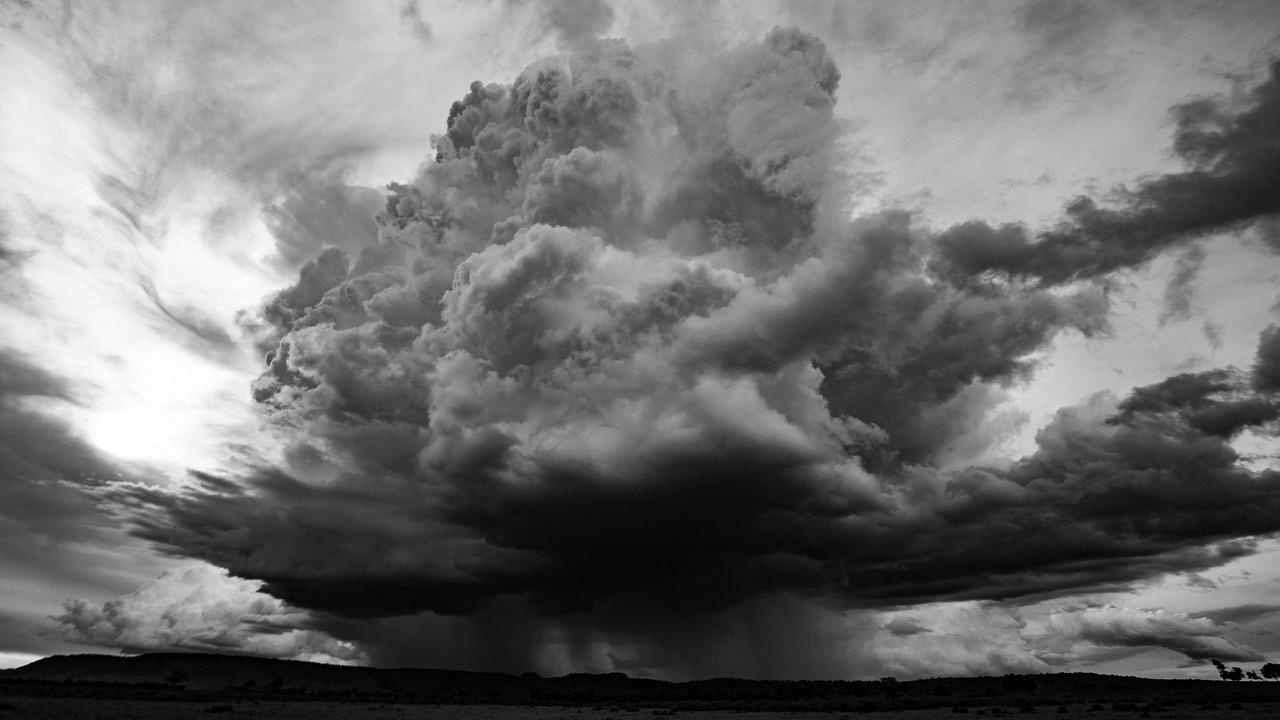
A storm building over the plains of the Masai Mara, in black and white

UsalamaAdvice read 12 November 2026

Is Masai Mara safe? What the US and UK advise now

Is Masai Mara safe to visit? No government answers that in one word for Masai Mara, Kenya. The US Department of State rates all of Kenya Level 3, "Reconsider travel" (issued 19 October 2026), and the UK Foreign Office (updated 6 November 2026) advises against travel only near the Somali and Ethiopian borders and on parts of the coast. Neither names Narok County or the Masai Mara.

Photo: Markrosenrosen / Wikimedia Commons, CC BY-SA 4.0

Some links on this page are affiliate links: the guide earns a commission when you book through them. The partner sets the price; the guide adds no fee.

Both list risks that apply across the country, the Mara included: attacks in places tourists visit, crime on highways, road accidents and, in the US text, safari vehicle accidents. The health bodies are more specific than the governments: the US CDC states malaria transmission in all game parks below 2,500 m (8,200 ft), and the UK's TravelHealthPro recommends yellow fever vaccination for travel to the Masai Mara by name.

The same holds for a tour found on a booking site: before you book one such as this three-day Masai Mara group joining safari, ask the operator for its license number and check it with the Tourism Regulatory Authority.

MpakaEvery named area, borders included

Four official voices, side by side

Two governments, two health bodies, each with its date. Switch between the US and the UK view, or keep both. The table lists every area either government names; the Mara's row is on top because it is the row most readers look for.

Who states what, and where

US Department of State · issued 19 October 2026

Level 3, "Reconsider travel", since 19 October 2026

Reasons in its words: "health, crime, kidnapping, terrorism, unrest, and traffic safety". It adds: "Some areas have increased risk."

Car accidents are one of the main causes of injury and death of Americans in Kenya, and tourists "who may not always use seatbelts" have been seriously injured or killed in safari vehicle accidents.

Names Narok County or the Masai Mara? No

travel.state.gov, Kenya

UK FCDO · updated 6 November 2026

Two lists of areas

"All travel" advised against near the Somalia border, in Mandera, parts of Wajir and Garissa, and most of Lamu; "all but essential travel" to Garissa Town, northern Tana River, a coast strip and Moyale.

Terrorists are "very likely to try to carry out attacks", and indiscriminate attacks could happen in places foreigners visit, safari parks among them.

Names Narok County or the Masai Mara? No

gov.uk, Kenya travel advice

US CDC · page reviewed 10 November 2026

Malaria in game parks

Malaria transmission in all areas of Kenya, game parks included, below 2,500 m (8,200 ft).

Yellow fever vaccine recommended from 9 months; the exceptions (Nairobi city, the north-east, most of the coast) do not include the Mara.

Travel notice dated 19 October 2026, under "Level 1 Practice Usual Precautions": Ebola (Bundibugyo virus), an imported case and linked cases in Nairobi.

Names Narok County? Yes, for cholera: one of six counties with active transmission, last case 9 to 12 months ago.

CDC, Kenya

UK TravelHealthPro · read 12 November 2026

"High risk of malaria in Kenya"

Tablets recommended (it names atovaquone/proguanil, doxycycline or mefloquine); very low risk in Nairobi city and above 2,500 m.

As of 23 October 2026: nine confirmed Ebola (Bundibugyo) cases and a second death, all linked to one imported case, no evidence of community spread.

Names the Masai Mara? Yes: yellow fever vaccination recommended from 9 months, travel to the Masai Mara included.

TravelHealthPro, Kenya
Every area the two governments name, with the Mara on top. US: the Level 4 areas of the 19 October 2026 advisory, Do not travel. UK: all travel, or all but essential travel, advised against.
AreaUS State Department, Level 4 areas, 19 October 2026UK FCDO, 6 November 2026
Narok County and the Masai Mara Not named. The countrywide Level 3 of 19 October 2026 applies. Not named on either list or in the regional risks.
Nairobi: Eastleigh and Kibera Do not travel: crime and kidnapping. Not advised against. Named with the Central Business District and Mathare as higher-crime areas.
Mandera County Do not travel: kidnapping and terrorism. All travel advised against.
Wajir County Do not travel: kidnapping and terrorism. All travel: Tarbaj and Wajir East (except Wajir Town) and areas within 60 km of the Somalia border.
Garissa County Do not travel: kidnapping and terrorism. All travel, except Garissa Town, Lagdera and parts of Balambala. Garissa Town: all but essential travel.
Lamu County Do not travel: kidnapping and terrorism. All travel, except Lamu and Manda islands.
Tana River County Do not travel, except Tsavo National Park: kidnapping and terrorism. All but essential travel north of the Tana River as far as Saka, and within 15 km of the coast between the Tana and Galana rivers.
Kilifi County north of the C103, and the coast north of Malindi Do not travel: kidnapping and terrorism. Not named by these names; see the coast strip in the Tana River row.
West Pokot County and western Turkana Do not travel: crime. Not on either FCDO list.
The Ethiopian border Do not travel to Marsabit and Turkana counties within 50 km (30 miles) of the border: unrest. All but essential travel to Moyale Town and 5 km around it, including the border (added 6 November 2026).
  • US: Do not travel
  • UK: all travel
  • UK: all but essential
  • not named

Advice read 12 November 2026. Advisories change without notice: before you book and again before you fly, read the current text on travel.state.gov and gov.uk.

UsalamaCountrywide, the Mara included

Risks the advice names for all of Kenya

A level or a list covers areas. These lines cover the whole country, so they apply on the way to the Mara and in Nairobi before it, whatever the map shows.

  • Terrorism

    The UK FCDO (6 November 2026) states that indiscriminate attacks could occur in places foreigners visit, including hotels, shopping centers, beaches and safari parks. The US advisory (19 October 2026) lists tourist locations, transport hubs, hotels and resorts, markets and malls among past targets, and says local police often cannot respond effectively.

  • Kidnap

    The FCDO states a high threat of terrorist kidnap across Kenya, with westerners targeted in the northern counties bordering Somalia and in coastal counties. Those counties are the ones on its lists; the Mara is not among them.

  • Crime

    The FCDO names frequent violent crime, including mugging, armed robbery and carjacking, in large cities and on major highways. It states crime is often higher around Christmas and New Year. It warns of thieves posing as police or security guards: ask for identification.

  • Protests

    The US advisory states protesters have attacked vehicles carrying Americans, safari vehicles among them, and that violent protests are most common in Nairobi and western Kenya. The FCDO adds that the situation can change quickly, especially on key dates such as anniversaries of earlier protests.

  • An election in August 2027

    The State Department's Kenya travel information (30 July 2026) notes Kenya's next general elections are scheduled for 10 August 2027, and that demonstrations have often occurred in past election cycles. It makes no forecast. If you are weighing August, read the advisories again before you book; the best time to visit sets the months against rain and prices.

  • Fines and paperwork

    On-the-spot fines from traffic police are common but illegal, the FCDO states; ask for the correct paperwork. Park fines are a different thing: the Mara Triangle lists its own, paid against a receipt.

In Nairobi the two governments differ. The US says Do not travel to Eastleigh and Kibera; the FCDO does not advise against Nairobi and names Eastleigh, the Central Business District, Mathare and Kibera as higher-crime areas. Nairobi covers a night in the city before the Mara.

A dirt track running across open plains in the Masai Mara

Photo: Daniel Case / Wikimedia Commons, CC BY-SA 4.0

BarabaraThe road is the risk both governments name

Car accidents are one of the main causes of injury and death of Americans in Kenya, the State Department states.

BarabaraNairobi to the Mara

On the road and in the air

The road from Nairobi is where both governments put their plainest warnings. The State Department notes that the Nairobi to Nakuru and Nairobi to Mombasa highways are only two lanes, and that tourists "who may not always use seatbelts" have been seriously injured or killed in safari vehicle accidents.

  • The FCDO advises driving with windows closed and doors locked, considering a convoy outside cities, and avoiding driving at night. Carjackers may set up bogus checkpoints.
  • Between the airport and the city, it advises the Mombasa Road or the Nairobi Expressway, citing a higher carjacking risk on Airport South Road and Jogoo Road.
  • The State Department's Kenya travel information (30 July 2026) advises checking a tour operator's certification or license number with Kenya's Tourism Regulatory Authority. It reports US travelers whose operators did not meet them at the airport, did not book or pay hotels, or did not pay park fees as promised.
  • The FCDO advises using reputable operators, arriving at a game reserve in daylight and never buying a safari from touts.

Nairobi to Masai Mara has the road times and when to leave so you arrive in daylight.

A twin-engine bush plane and a safari vehicle on the Musiara airstrip in the Masai Mara
A twin-engine bush plane and a safari vehicle at the Musiara airstrip in the Masai Mara, Kenya.Photo: Ninara / Wikimedia Commons, CC BY 2.0

By air

The US CDC advises avoiding local, unscheduled aircraft, flying on larger planes (more than 30 seats) where possible, and flying in daylight and good weather. The FCDO tells anyone chartering a private aircraft to check the aircraft and the runways with the company, and to choose another company if the crew has no safety pilot. The scheduled Mara flights are on Nairobi to Masai Mara flights.

A lioness walking close past a safari vehicle in the Masai Mara
A lioness near a safari vehicle in the Maasai Mara National Reserve, Kenya.Photo: Daniel Case / Wikimedia Commons, CC BY-SA 4.0
Hippos resting on a sandbar of the Mara River
Photo: Nina R / Wikimedia Commons, CC BY 2.0

Hippos on a sandbar of the Mara River. Rivers are for looking at: swimming in rivers and lakes is illegal in national parks, the FCDO states.

SheriaRules inside the reserve

Inside the reserve: rules that bear on safety

Inside the reserve, these are the rules that bear on safety. Each belongs to one authority, so each line below says whose it is.

  • Stay in the vehicle. The Mara Conservancy's park rules for the Mara Triangle require visitors to stay inside their vehicle except at designated picnic or viewing points.
  • No walking safaris in the reserve. The Maasai Mara National Reserve management plan for 2023 to 2032 bans walking, horseback and bicycle safaris in the reserve. The national reserve page has its zones; the conservancies outside the reserve set their own rules.
  • At a river crossing. In the Mara Triangle, the Mara Conservancy bars getting out, standing on the roof or sitting in the window at a crossing. The migration page covers crossing conduct.
  • No swimming. The FCDO states swimming in rivers and lakes is illegal in national parks. Both the CDC and TravelHealthPro state that schistosomiasis is found in Kenya and advise against swimming or wading in fresh water.

Follow park regulations and the wardens' advice, the FCDO adds. The Mara Triangle page prints the Triangle's fines for each rule.

AfyaHealth, as the bodies state it

Health: what the CDC and TravelHealthPro state

These are the bodies' own statements, not medical advice. The CDC advises seeing a doctor at least a month before the trip; take these lines to that appointment.

2,500 mMalaria below this height, game parks included (US CDC)

9 monthsYellow fever vaccine recommended from this age (CDC, TravelHealthPro)

1 yearFever up to this long after return: seek care at once (CDC)

Malaria and yellow fever

The CDC (page reviewed 10 November 2026, malaria table of 23 April 2025) states malaria transmission in all areas of Kenya, game parks included, below 2,500 m (8,200 ft). TravelHealthPro (read 12 November 2026) states a high risk of malaria in Kenya and recommends tablets: atovaquone/proguanil, doxycycline or mefloquine. Which one is a question for your doctor.

TravelHealthPro recommends yellow fever vaccination from 9 months, explicitly for travel to the Masai Mara. The CDC recommends it for travelers to Kenya from 9 months, except for trips limited to Nairobi city, Mandera, Wajir, Garissa or most of the former Coast Province. As an entry rule, Kenya asks for the certificate from age 1 only if you arrive from a country with yellow fever risk, not on a direct trip from the US (CDC). The Kenya eTA page has the other entry rules.

Outbreak notices, dated

The FCDO states that the Kenyan Ministry of Health confirmed its first imported Ebola case on 6 October 2026, with contact tracing, border screening and quarantine in place. TravelHealthPro reported nine confirmed cases (Bundibugyo virus) and a second death as of 23 October 2026, all linked to one imported case, with no evidence of community spread. The State Department states that arrivals from countries it lists as elevated risk, Tanzania among them, fill in an Electronic Traveler Health Surveillance Form before leaving the plane.

The CDC lists Narok County, where the Mara lies, among six counties with active cholera transmission, the last case 9 to 12 months ago, and states cholera is rare in travelers. These notices change weekly; read them again before you fly.

If something happens

The State Department's Kenya travel information (30 July 2026) states adequate treatment is usually available only in or near Nairobi, Mombasa and Kisumu, that hospitals often want cash up front and may hold patients until bills are paid, and advises insurance that includes medical evacuation. Evacuation may be at your own expense. In the Mara Triangle, the Mara Conservancy lists clinics at Angama Mara Lodge, Kichwa Tembo Camp and Mara Serena Lodge, and states an AMREF Flying Doctors evacuation can cost a non-member up to USD 5,000. Kenya's own inbound health policy, required for most visitors since 5 October 2026, costs up to USD 44 per person and covers USD 25,000 of evacuation within a USD 50,000 limit; the eTA page explains who needs it.

SaaDay and night

Numbers to keep on your phone

Save them before you leave Nairobi; phone signal in the Mara depends on where you are.

Police, ambulance, fire

999 or 112

The National Police Service also lists 911, and states a response to a distress call is free.

Mara Triangle security, 24 hours

0722-740338

The Mara Conservancy's line (emergency page), for the Triangle west of the river.

US Embassy Nairobi

+254-20-363-6000

For Americans, 24/7: +1-202-501-4444 from abroad, +1-888-407-4747 from the US and Canada (US Embassy).

FCDO London, 24 hours

020 7008 5000

For British nationals and their families (FCDO Kenya advice).

The next step is the operator: the Masai Mara safari page compares group, private and fly-in safaris, and the home page starts with a trip finder.

MaswaliQuestions people ask

Safety questions, answered by the bodies

The full texts: US travel advisory, UK travel advice, CDC Kenya, TravelHealthPro Kenya, National Police Service.

Is it safe to visit Masai Mara now?

Neither the US State Department nor the UK FCDO names Narok County or the Masai Mara. The US rates all of Kenya Level 3, "Reconsider travel" (19 October 2026), and the FCDO's lists cover areas near the Somali and Ethiopian borders and parts of the coast. Countrywide risks still apply, including terrorism, crime on highways and road accidents.

Is Kenya safe for US citizens?

The State Department rates Kenya Level 3, "Reconsider travel", in its advisory of 19 October 2026, citing health, crime, kidnapping, terrorism, unrest and traffic safety. It says Do not travel to Eastleigh and Kibera in Nairobi, the north-eastern counties, the north coast, West Pokot, western Turkana and the Ethiopian border strip. The Mara is not on that list.

What is the most common crime in Kenya?

The UK FCDO names frequent violent crime, including mugging, armed robbery and carjacking, particularly in large cities and on major highways. In Nairobi it names Eastleigh, the Central Business District, Mathare and Kibera. It states crime is often higher around Christmas and New Year. Neither government gives a ranking of crimes.

Do I need malaria tablets for the Masai Mara?

The US CDC states malaria transmission in all game parks below 2,500 m (8,200 ft). UK TravelHealthPro states a high risk of malaria in Kenya and recommends tablets: atovaquone/proguanil, doxycycline or mefloquine. Which one suits you is for a doctor to decide; the CDC advises seeing one at least a month before the trip.

Is it a problem to travel during the 2027 election?

The State Department's Kenya travel information (30 July 2026) notes the next elections are scheduled for 10 August 2027 and that demonstrations often occurred in past election cycles. It states violent protests are most common in Nairobi and western Kenya. Read the advisories again before you book a trip around the vote.

A lone acacia at dawn on the Masai Mara plains

Photo: Kandukuru Nagarjun / Wikimedia Commons, CC BY 2.0

Safari njemaHave a good trip

Read the advice, save the numbers, and then go and look.

Sources

  1. The US Department of State states that travelers arriving in Kenya from the three Ebola-impacted countries or from countries it identifies as elevated risk for Ebola (Angola, Burundi, Ethiopia, Rwanda, Somalia, Tanzania, Zambia) must complete an Electronic Traveler Health Surveillance Form before disembarking and may face temperature screening at the port of entry. US Department of State: Kenya Travel Advisory and travel guidance, 2026-10-19.
  2. The US Department of State states that appropriate medical treatment is typically available only in or near Nairobi, Mombasa and Kisumu, that many hospitals require cash payment up front and may not release patients until bills are paid, and advises making sure your insurance includes medical evacuation coverage. US Department of State: Kenya Travel Advisory and travel guidance, 2026-07-30.
  3. Kenya requires non-Kenyan visitors staying under 3 months to hold Kenyan Inbound Travel Health Insurance bought on the official eCitizen portal, required from 5 October 2026 under Gazette Notice No. 11492 of 30 July 2026 and section 26(6) of the Social Health Insurance Act 2023; a home-country travel policy does not replace it. eCitizen (Government of Kenya): Kenya Inbound Travel Health Insurance, 2026-07-30.
  4. The Kenyan Inbound Travel Health Insurance premium is up to USD 44 per person, including statutory levies and stamp duty, the same across all participating insurers, with no separate administration charge. eCitizen (Government of Kenya): Kenya Inbound Travel Health Insurance, FAQ, 2026-07-30.
  5. The Kenyan inbound health policy has a cumulative limit of USD 50,000 per person: medical expenses incl. personal accident USD 20,000, emergency medical transport and evacuation USD 25,000, repatriation of remains USD 5,000, mental illness USD 1,000, prescribed medicines USD 300. eCitizen (Government of Kenya): Kenya Inbound Travel Health Insurance, FAQ, 2026-07-30.
  6. US CDC (malaria table updated 23 Apr 2025) states malaria transmission occurs in all areas of Kenya, including game parks, below 2,500 m (8,200 ft) elevation, with rare cases in the highly urbanized central part of Nairobi. US CDC: Kenya - Traveler view (Travelers' Health destination page), 2026-11-10.
  7. US CDC states that a fever during travel in a malaria-risk area or up to 1 year after returning needs immediate medical attention and the doctor should be told the travel history. US CDC: Kenya - Traveler view (Travelers' Health destination page), 2026-11-10.
  8. UK TravelHealthPro (NaTHNaC) states there is a high risk of malaria in Kenya and recommends atovaquone/proguanil OR doxycycline OR mefloquine. UK NaTHNaC TravelHealthPro: Kenya country information.
  9. UK TravelHealthPro states malaria risk is very low in the city of Nairobi and in highlands above 2,500 m, where awareness of risk and bite avoidance (no tablets) are recommended. UK NaTHNaC TravelHealthPro: Kenya country information.
  10. US CDC lists a Travel Health Notice (dated 19 Oct 2026) for Ebola disease caused by Bundibugyo virus in Kenya: the Kenyan Ministry of Health confirmed an imported case and linked cases in Nairobi; notices on the page are under the heading 'Level 1 Practice Usual Precautions'. US CDC: Kenya - Traveler view (Travelers' Health destination page), 2026-11-10.
  11. UK TravelHealthPro reports that as of 23 October 2026 Kenya had nine confirmed Ebola disease (Bundibugyo virus) cases and a second death, all linked to one case imported from the DRC, with no evidence of community spread. UK NaTHNaC TravelHealthPro: Kenya country information.
  12. UK FCDO states that on 6 October 2026 the Kenyan Ministry of Health confirmed its first imported case of Ebola, with contact tracing, surveillance, border screening and quarantine measures in place. UK FCDO: Kenya travel advice, 2026-11-06.
  13. US CDC states schistosomiasis is found in Kenya and advises avoiding swimming in fresh, unchlorinated water such as lakes, ponds or rivers. US CDC: Kenya - Traveler view (Travelers' Health destination page), 2026-11-10.
  14. UK TravelHealthPro states there is a risk of schistosomiasis in Kenya, advises avoiding wading, swimming or bathing in fresh water, and drinking boiled, filtered or bottled water. UK NaTHNaC TravelHealthPro: Kenya country information.
  15. US CDC advises avoiding local, unscheduled aircraft, flying on larger planes (more than 30 seats) if possible, and scheduling flights in daylight and good weather. US CDC: Kenya - Traveler view (Travelers' Health destination page), 2026-11-10.
  16. US CDC lists active cholera transmission localized to Garissa, Migori, Mombasa, Nairobi, Narok (last case 9-12 months ago) and Turkana counties; cholera is rare in travelers and vaccination may be considered for travel to active-transmission areas. US CDC: Kenya - Traveler view (Travelers' Health destination page), 2026-11-10.
  17. US CDC advises seeing a doctor at least a month before the trip for vaccines or medicines. US CDC: Kenya - Traveler view (Travelers' Health destination page), 2026-11-10.
  18. US CDC (updated 23 Apr 2025) recommends yellow fever vaccine for all travelers aged 9 months or older to Kenya, except that it is generally not recommended for travel limited to the city of Nairobi, the former North Eastern Province counties (Mandera, Wajir, Garissa) or the former Coast Province counties except Taita-Taveta (Kilifi incl. Malindi, Kwale, Lamu, Mombasa, Tana River). US CDC: Kenya - Traveler view (Travelers' Health destination page), 2026-11-10.
  19. US CDC states Kenya's yellow fever entry requirement: not required for direct travel from the United States; required for travelers aged 1 year or older arriving from countries with risk of yellow fever transmission. US CDC: Kenya - Traveler view (Travelers' Health destination page), 2026-11-10.
  20. UK TravelHealthPro recommends yellow fever vaccination for travelers aged 9 months and older to Kenya, explicitly including those traveling to the Masai Mara, Tsavo East, Tsavo West game reserves and Lake Nakuru National Park. UK NaTHNaC TravelHealthPro: Kenya country information.
  21. Mara Conservancy migration FAQ (Mara Triangle): visitors may not get out of the vehicle to photograph a crossing (no alighting in the park except at designated points), stand on the roof or sit on the window; they should stay inside, keep quiet, not approach the crossing point too closely and not block the moving wildebeest. Mara Conservancy: Wildebeest Migration page FAQ.
  22. The Mara Conservancy park rules require visitors to stay inside their vehicle except at designated picnic or viewing points, and to carry a valid ticket or pass at all times inside the park. Mara Conservancy / KAPS: Nature Paas ticket portal, Park & Conservation Rules.
  23. The Maasai Mara National Reserve Management Plan 2023-2032 bans walking, horseback and bicycle safaris in the reserve. Narok County: Maasai Mara National Reserve Management Plan 2023-2032 (Final, February 2023).
  24. The US Department of State's Kenya advisory (Level 3, Reconsider Travel, issued 19 October 2026) names Level 4 areas only in Nairobi (Eastleigh, Kibera), Garissa, Wajir, Mandera, Lamu, Tana River except Tsavo, Kilifi north of the C103, the coast north of Malindi, West Pokot, western Turkana and the Ethiopian border strip of Marsabit and Turkana; Narok County and the Maasai Mara are not named and fall under the countrywide Level 3. US Department of State: Kenya Travel Advisory and travel guidance, 2026-10-19.
  25. The US Department of State notes that Kenya's next parliamentary and presidential elections are scheduled for 10 August 2027 and that demonstrations have often occurred during past election cycles. US Department of State: Kenya Travel Advisory and travel guidance, 2026-07-30.
  26. The US Department of State gives 999 or 112 as Kenya's numbers for police and emergency medical services. US Department of State: Kenya Travel Advisory and travel guidance, 2026-07-30.
  27. The US Department of State states tourists, who may not always use seatbelts, have been seriously injured or killed in safari vehicle accidents, and advises checking a tour operator's certification or license number from the Kenyan Tourism Regulatory Authority. US Department of State: Kenya Travel Advisory and travel guidance, 2026-07-30.
  28. The US Department of State reports US travelers whose tour operators did not meet them at the airport, did not book or pay for hotels, or did not pay park entrance fees as promised. US Department of State: Kenya Travel Advisory and travel guidance, 2026-07-30.
  29. The US Embassy in Nairobi (United Nations Avenue, Gigiri) can be reached on +254-20-363-6000 (main and after-hours emergency) and [email protected]. US Department of State: Kenya Travel Advisory and travel guidance, 2026-10-19.
  30. UK FCDO gives 999 as the emergency number in Kenya for ambulance, fire and police. UK FCDO: Kenya travel advice, 2026-11-06.
  31. Kenya's National Police Service lists 999, 112 and 911 as its police hotlines for emergency assistance; response to distress calls is free. National Police Service (Kenya): Service Standards poster.
  32. UK FCDO Kenya travel advice was last updated on 6 November 2026 (change: advice against all but essential travel to Moyale Town and 5 km around it); the page shows it as still current on 12 November 2026. UK FCDO: Kenya travel advice, 2026-11-06.
  33. UK FCDO advises against all travel, due to terrorism risk from Somalia-based groups, to Mandera County; Tarbaj and Wajir East constituencies (except Wajir Town) and areas of Wajir County within 60 km of the Somalia border; Garissa County except Garissa Town, Lagdera and parts of Balambala; and Lamu County except Lamu Island and Manda Island. UK FCDO: Kenya travel advice, 2026-11-06.
  34. UK FCDO advises against all but essential travel to Garissa Town; Tana River County north of the Tana River as far as Saka; within 15 km of the east coast between the Tana and Galana rivers; and Moyale Town plus 5 km around it, including the Ethiopian border. UK FCDO: Kenya travel advice, 2026-11-06.
  35. UK FCDO's areas advised against (all travel and all but essential travel) do not include Narok County, the Maasai Mara or Nairobi; its regional-risk section names no specific advice for Narok County. UK FCDO: Kenya travel advice, 2026-11-06.
  36. UK FCDO states terrorists are very likely to try to carry out attacks in Kenya, with indiscriminate attacks possible in places visited by foreigners, including hotels, bars, restaurants, shopping centers, beaches and safari parks. UK FCDO: Kenya travel advice, 2026-11-06.
  37. UK FCDO states there is a high threat of terrorist kidnap across Kenya, with westerners targeted in northern counties bordering Somalia and coastal counties. UK FCDO: Kenya travel advice, 2026-11-06.
  38. UK FCDO names the higher-crime areas of Nairobi as Eastleigh, the Central Business District, and Mathare, Kibera and slum areas, and warns of frequent violent crime including mugging, armed robbery and carjacking in large cities and on major highways. UK FCDO: Kenya travel advice, 2026-11-06.
  39. UK FCDO advises driving with windows closed and doors locked, considering convoys outside cities and in remote areas, and avoiding driving at night if possible; carjackers may set up bogus checkpoints. UK FCDO: Kenya travel advice, 2026-11-06.
  40. UK FCDO advises visitors to game reserves to use reputable tour operators, arrive in daylight, not buy safari tours from touts, and follow park regulations and wardens' advice; it states swimming in rivers and lakes is illegal in national parks. UK FCDO: Kenya travel advice, 2026-11-06.
  41. UK FCDO advises anyone chartering a private aircraft in Kenya to check the condition of the aircraft and runways with the company, and to choose another company if the crew does not include a safety pilot qualified to take over the controls. UK FCDO: Kenya travel advice, 2026-11-06.
  42. UK FCDO advises using the Mombasa Road or the Nairobi Expressway between Jomo Kenyatta International Airport and Nairobi city, citing higher carjacking risk on the old airport road (Airport South Road) and Jogoo Road, and warns check-in can take several hours. UK FCDO: Kenya travel advice, 2026-11-06.
  43. UK FCDO states protests, demonstrations and strikes are common in Kenya, particularly in Nairobi; they often cause traffic disruption and can lead to violence, and the situation could change quickly, especially on key dates such as anniversaries of previous protests. UK FCDO: Kenya travel advice, 2026-11-06.
  44. UK FCDO states crime rates are often higher around the Christmas and New Year period. UK FCDO: Kenya travel advice, 2026-11-06.
  45. UK FCDO warns of thieves posing as police officers or private security guards and advises always asking for identification; it states on-the-spot fines from traffic police are common but illegal and to ask for correct paperwork. UK FCDO: Kenya travel advice, 2026-11-06.
  46. UK FCDO gives the FCDO London 24-hour number for urgent help when something has happened to a friend or relative abroad: 020 7008 5000. UK FCDO: Kenya travel advice, 2026-11-06.
  47. The US Department of State rates Kenya Level 3: Reconsider Travel, due to risk of health, crime, kidnapping, terrorism, unrest and traffic safety, with higher risk in some areas (advisory published 18 Oct 2026, 20:00 US Eastern). US Department of State: Kenya Travel Advisory (as published in the State Department travel advisory data feed), 2026-10-18.
  48. The US State Department advisory says Do Not Travel to the Nairobi neighborhoods of Eastleigh and Kibera, due to crime and kidnapping. US Department of State: Kenya Travel Advisory (as published in the State Department travel advisory data feed), 2026-10-18.
  49. The US State Department advisory says Do Not Travel to Garissa, Wajir, Mandera, Lamu and Tana River counties (except Tsavo National Park), Kilifi County north of highway C103 and coastal areas north of Malindi, due to kidnapping and terrorism. US Department of State: Kenya Travel Advisory (as published in the State Department travel advisory data feed), 2026-10-18.
  50. The US State Department advisory says Do Not Travel to West Pokot County and western Turkana County (crime), and to Marsabit and Turkana counties within 50 km (30 miles) of the Ethiopian border (unrest). US Department of State: Kenya Travel Advisory (as published in the State Department travel advisory data feed), 2026-10-18.
  51. The US State Department advisory states protesters have attacked vehicles carrying Americans, including motorcycle taxis and safari vehicles, and violent protests are most common in Nairobi and western Kenya. US Department of State: Kenya Travel Advisory (as published in the State Department travel advisory data feed), 2026-10-18.
  52. The US State Department advisory states car accidents are one of the main causes of injury and death of Americans in Kenya, the Nairobi-Nakuru and Nairobi-Mombasa highways are only two lanes, and tourists, who may not always use seatbelts, have been seriously injured or killed in safari vehicle accidents. US Department of State: Kenya Travel Advisory (as published in the State Department travel advisory data feed), 2026-10-18.
  53. The US State Department advisory states medical services in Kenya are limited and often unavailable in rural areas, many issues may need medical evacuation at the traveler's own expense, and facilities usually deny service without upfront payment. US Department of State: Kenya Travel Advisory (as published in the State Department travel advisory data feed), 2026-10-18.
  54. The US State Department advisory states terrorists in Kenya have targeted government buildings, tourist locations, transport hubs, hotels and resorts, markets and malls, and places of worship, and that local police often cannot respond effectively to crimes. US Department of State: Kenya Travel Advisory (as published in the State Department travel advisory data feed), 2026-10-18.
  55. The US Embassy in Kenya gives the 24/7 number for Americans needing assistance: +1-202-501-4444 from abroad, +1-888-407-4747 from the US and Canada; mailing address P.O. Box 606 Village Market, 621 Nairobi. US Embassy in Kenya (US Department of State): embassy home page.
  56. The Mara Conservancy lists clinics at Angama Mara Lodge, Kichwa Tembo Camp and Mara Serena Lodge, and states that AMREF Flying Doctors evacuation can cost up to USD 5,000 for non-members, recommending membership. Mara Conservancy: Emergency in the Mara Triangle.
  57. The Mara Conservancy 24-hour security number (including canine unit requests) is 0722-740338. Mara Conservancy: Emergency in the Mara Triangle.