WatuThe people whose land this is
Maasai people of the Masai Mara: land, leases and language
Masai Mara, Kenya, is named for the Maasai people, and the Maasai live in southern Kenya and northern Tanzania. Around the reserve, Maasai landowners lease their land to safari camps through conservancies. The conservancies' association counts more than 17,000 landowners and 52 tourism partners who pay over USD 7 million a year in leases, on leases lengthened from five to 25 years (Strategic Plan 2026 to 2036).
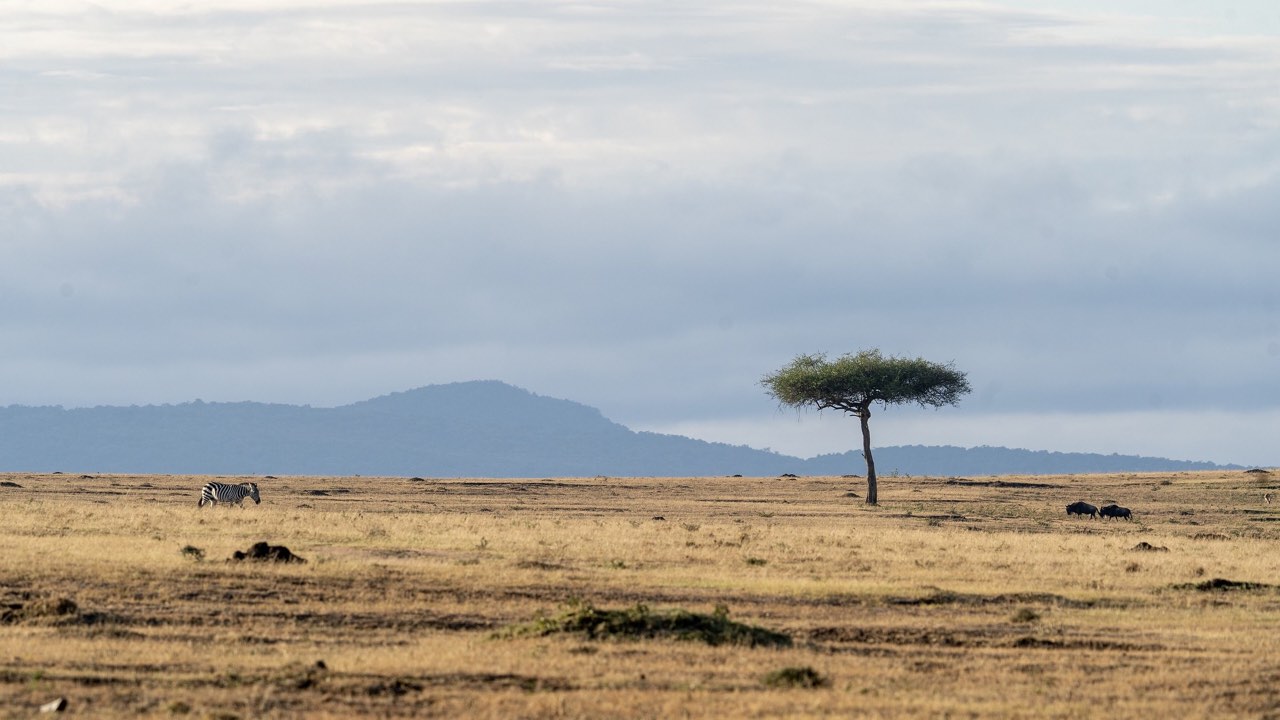
Photo: Kandukuru Nagarjun / Wikimedia Commons, CC BY 2.0

Some links on this page are affiliate links: the guide earns a commission when you book through them. The partner sets the price; the guide adds no fee.
A camp in a conservancy pays its landowners a lease, which MMWCA calls a direct, guaranteed lease fee to each landowner. Inside the Maasai Mara National Reserve, your reserve ticket is paid to Narok County or, west of the river, to the Mara Conservancy. The drawing below shows which land is which, with the association's own figures beside it.
RamaniThree kinds of land
Whose land the safari runs on
The reserve is public land in two parts. Around it, the Maasai Mara Wildlife Conservancies Association (MMWCA), founded in 2013, brings the conservancies together: land owned by Maasai families and leased to camps. Everything else is land outside both.
- The reserve, Narok side: east of the Mara River, run by Narok County
- The reserve, Mara Triangle: west of the river, run by the Mara Conservancy
- The conservancies: private and community land outside the reserve, leased by Maasai landowners to camps
- Land outside both: no reserve ticket, no conservancy lease
As MMWCA states it
| Measure | Strategic Plan 2026 to 2036 | Voice of the Mara, December 2024 |
|---|---|---|
| Landowners | more than 17,000 | more than 18,000 |
| Lease payments a year | over USD 7 million | over USD 8.5 million |
| Tourism partners (camps and lodges) | 52 | not stated |
| Conservancies | 25 | 25 |
| Area | over 180,000 hectares | about 500,000 acres |
| Tourism jobs | over 3,200 | not stated |
| People employed in conservancies and camps | 3,710 | not stated |
| Landowners with financial stability through leases | 8,232, including loans with the lease as collateral | not stated |
| Lease length | from five years to 25 years, with agreed annual increments | not stated |
| In 2015 | eight conservancies, 90,000 ha | not stated |
The association's website gives other, older counts of landowners and conservancies. The tourism partners pay the leases for access to community land and wildlife.
How a lease pays
MMWCA calls it the Mara Model: a direct, guaranteed lease fee to each landowner, tied to the lease agreement. It names other benefits too: bursary schemes, access to grass, consolation schemes in some conservancies, and credit. Its plan says 8,232 landowners have used their leases to secure financial stability, including formal loans with the lease as collateral.
The growth is recent. In 2015 there were eight conservancies on 90,000 ha (347 sq mi); the plan now counts 25 on over 180,000 hectares. Each conservancy, its rules and its camps are on Masai Mara conservancies; the camps themselves on Masai Mara camps.
The reserve's own split is on the national reserve page and the Mara Triangle page. Read the plan itself in the MMWCA Strategic Plan summary, or the association's about page.


Masai Mara, but Maasai people
This guide writes Maasai for the people, their language and what is theirs, and Masai Mara for the place. Official names keep their own spelling, as in Maasai Mara National Reserve. MMWCA, Narok County, the Maasai Association and most conservancy sites write Maasai; a guest column in MMWCA's magazine and the Mara North Conservancy brochure use the single-a spelling. Where is Masai Mara? covers the place names.
WatuSouthern Kenya and northern Tanzania
Where Maasai live, and how many
The Maasai Association places the Maasai in southern Kenya and northern Tanzania, along the Great Rift Valley, on semi-arid and arid land covering 160,000 km² (61,776 sq mi). Its undated page gives a population of "approximately one half million people", and adds in the same breath that many Maasai see the national census as government meddling and often miscount their numbers to census takers.
The Maasai Association counts sixteen sections, Iloshon, among them Ilpurko, Ildamat, Iloitai, Isiria, Ilkeekonyokie and Ilkisonko, and says most Maasai live in Kenya. Nashulai Maasai Conservancy tells the origin in its own story: the Maasai came down along the Nile until they found the plains and mountains of the Great Rift Valley, and chose it as home as pastoralists.
Cattle, and land that changed hands
The Association describes the Maasai as semi-nomadic people who lived under communal land management, moving livestock with the seasons; the land has since been subdivided into group and individual ranches. Conservancies now lease from those owners, more than 17,000 of them in MMWCA's count. The traditional diet is meat, milk and blood from cattle, and the largest loss of Maasai land, the Association says, has been to national parks and reserves.
WatuHome, language and governance
Home, language and how decisions are made
Words and practices as Maasai-led bodies and Narok County explain them, in their own spelling.
-
Enkeguana, the circle
Nashulai describes the enkeguana as the traditional circle of gathering and governance, where elders meet and decisions are made.
-
Inkajijik, the house
A loaf-shaped house that women build of mud, sticks, grass, cow dung and cow's urine, the Association says. Men fence the kraal, a circle of houses, with acacia thorns against lions.
-
Netii Apa, once long ago
Nashulai says "Netii Apa" means 'once long ago' and is how every Maasai story starts. Its Netii Apa page collects them.
-
The morning
The Association says "the head of the Enkang" announces each morning's schedule.
-
A prayer
'Meishoo iyiook enkai inkishu o-nkera': 'May Creator give us cattle and children', as the Association gives it.
-
The county's part
Narok County shares the Maa Economic Bloc with Kajiado and Samburu counties; its aims include safeguarding Maa heritage and cultural festivals (Narok County).
WatuOn UNESCO's urgent list since 2018
Rites of passage, as UNESCO records them
In 2018 UNESCO inscribed "Enkipaata, Eunoto and Olng'esherr, three male rites of passage of the Maasai community" for Kenya on its list of intangible heritage in need of urgent safeguarding.
- Enkipaata is the induction of boys that leads to initiation; Eunoto is the shaving of the morans that opens the way to adulthood; Olng'esherr is the meat-eating ceremony.
- They are practiced mainly by young men aged 15 to 30, with women carrying out certain tasks.
- UNESCO says the practice appears to be declining fast, as farming becomes a main income, land tenure is reformed and climate change affects cattle, and notes a decline since the 1980s.
- Representatives of all nine Maasai clans, in UNESCO's words, took part in and endorsed the nomination; the element has been on Kenya's national inventory since 2012. The Committee declined it in 2013 and inscribed it in 2018 on an improved file.
The Maasai Association lists more ceremonies on its ceremonies page, from Enkipaata to Enkiama (marriage) and Olngesherr (junior elder). It also says the government frowns on warriorhood yet uses its image to attract tourists. For that reason this guide shows the land, not ceremonies or portraits. The UNESCO element page and the Committee decision hold the full text.
HifadhiVisiting, and where the money goes
If you want to meet Maasai hosts
Conservancies are also employers. The association's plan counts 3,710 people employed in conservancies and camps and over 3,200 tourism jobs.
A village visit is a separate payment from your safari. Where that money goes is only what the community or the conservancy running the visit says; Maasai village visits sets out what each states. Some day trips include a visit, such as this day trip from Nairobi to the reserve and a Maasai village; ask the seller who runs the visit and how much of the price goes to the village. Nashulai Maasai Conservancy tells its own story on its site.
A night in a conservancy camp is where your stay meets a landowner's lease. Compare them on the conservancies page, and the figures behind this page on the data page.
MaswaliQuestions about the Maasai
Questions about the Maasai
What is the Masai Mara tribe known for?
The people are the Maasai, and the Mara is named for them. They are pastoralists: the Maasai Association describes communal land management with seasonal moves of livestock. Elders meet and decide in the enkeguana, the circle of gathering and governance, and today many lease their land to camps through conservancies.
Why is it Masai Mara but Maasai people?
Both spellings are in use. MMWCA, Narok County, the Maasai Association and most conservancy sites write Maasai; a guest column and one conservancy brochure use the single-a spelling. This guide uses Maasai for the people and Masai Mara for the place, and keeps official names as they are written.
How many Maasai people are there?
The Maasai Association gives "approximately one half million people" on an undated page, and adds its own caveat to the figure: many Maasai see the census as government meddling and often miscount their numbers to census takers.
Do the Maasai own the land in the Masai Mara?
Around the reserve, yes: conservancy land is owned by Maasai families and leased to camps. MMWCA's 2026 plan counts more than 17,000 landowners paid over USD 7 million a year. The Maasai Mara National Reserve itself is public land run by Narok County and, west of the river, the Mara Conservancy.
Can I visit a Maasai village on safari?
Village visits are arranged near the reserve and paid separately from your safari. How that money is shared is only what the community or the conservancy running the visit states about it. Maasai village visits sets out what each one says, and the conservancies page compares the conservancies themselves.
Sources
- Unit conversions. Metric figures with US equivalents (1 km = 0.621371 mi, 1 m = 3.28084 ft, 1 kg = 2.20462 lb, 1 ft = 0.3048 m, 1 acre = 0.404686 ha, °F = °C × 9/5 + 32)
- Figures where sources differ. One register row per figure where official sources conflict (data/canon.json names the row, the body and the reason)